
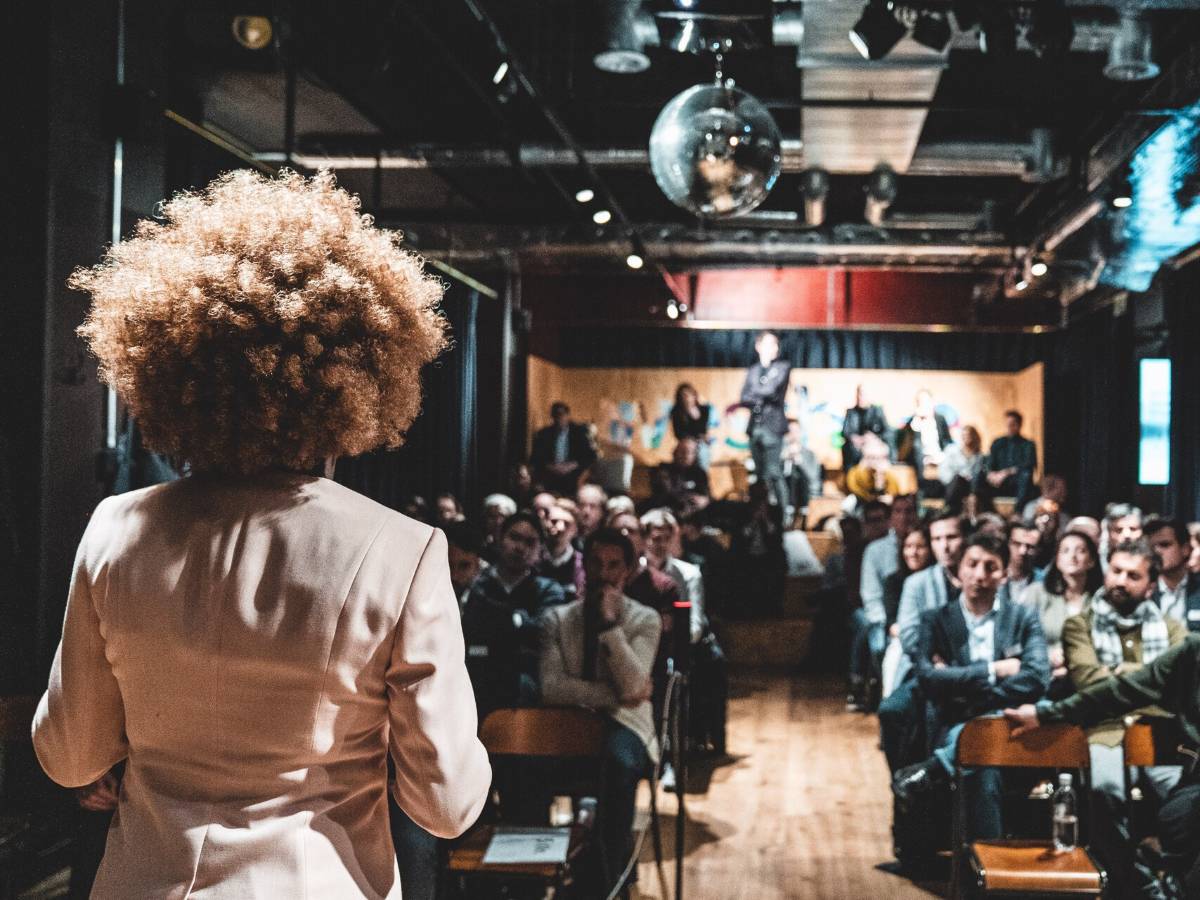
Why Structured Annual Event Planning Matters
Business events are far more than isolated calendar entries. They are strategic touchpoints for employees, customers, partners and stakeholders. Whether it’s a general meeting, workshop, customer event or Christmas dinner, companies that approach annual event planning early and strategically save time and budget, increase attendance and significantly improve the impact of each event.
For companies in Switzerland – especially in the key business regions of Zurich, Basel, Geneva and Zug – a structured annual approach is essential. This guide shows which business events matter throughout the year, when they typically take place, and what is needed to plan them successfully. The focus is practical, informative and solution-oriented.
The Most Important Business Events Throughout the Year
1. Annual General Meeting (AGM)
Typical timing: January to June
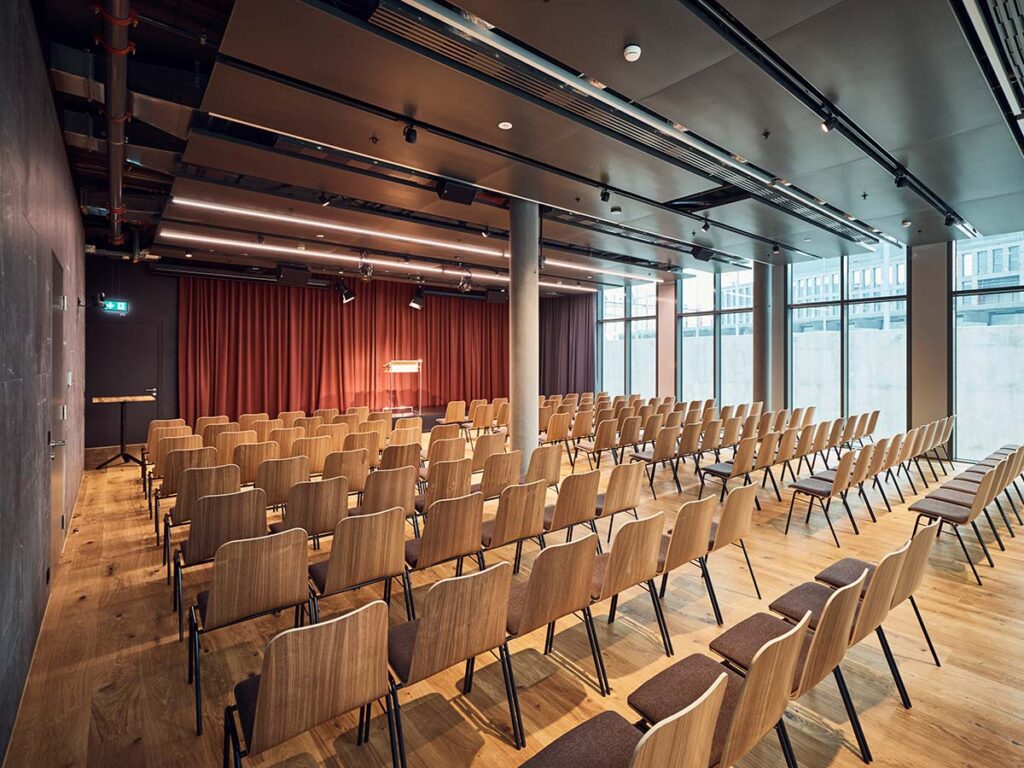
For many companies, the AGM is a formal, legally required event with high expectations regarding professionalism, technology and infrastructure.
What you need:
- Large event or conference space
- Stage and professional seating setup
- Presentation technology (screens, microphones)
- Reception and registration area
- Optional catering or apéritif
Planning tips:
- Plan 6–9 months in advance
- Secure the date and venue early
- Test technical setup beforehand
For AGMs with a large number of participants, companies often rely on spacious, centrally located venues. At Westhive, large event spaces are available at Zurich Hardturm, Basel Rosental and Geneva Pont-Rouge, all fully equipped with modern event technology.
2. Workshops & Strategy Meetings
Typical timing: Year-round, often in Q1 and Q3
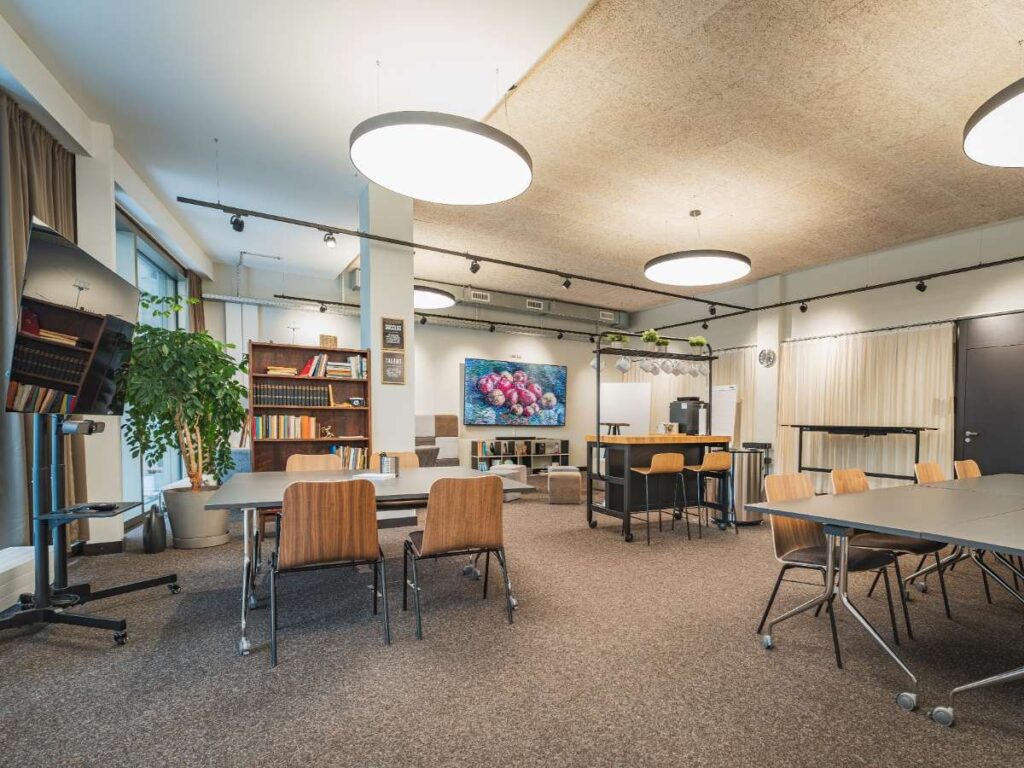
Workshops are essential for strategy development, innovation, change processes and team alignment. While typically held in smaller groups, the right environment plays a crucial role.
What you need:
- Workshop or creative space
- Flexible seating
- Whiteboards, flipcharts and screens
- Daylight and good acoustics
Planning tips:
- Plan 1–3 months in advance
- Choose a space outside the regular office environment
- Include catering to maintain energy levels
Teams frequently use workshop spaces at Westhive for strategy and innovation days, benefiting from flexible room layouts and a professional yet inspiring setting.
3. Employee Training & Sales Training
Typical timing: Spring and autumn
Training sessions are often part of annual or quarterly planning and frequently take place as a series across teams or locations.
What you need:
- Seminar or meeting rooms
- Presentation technology
- Breakout rooms
- Easy accessibility for participants
Planning tips:
- Plan 3–6 months ahead
- Bundle multiple training sessions
- Consider hybrid formats
Companies with teams across different regions often conduct trainings at multiple Westhive locations, benefiting from consistent room quality in Zurich, Basel, Geneva and Zug.
4. Customer Events & Networking Events
Typical timing: Spring to autumn
Customer events strengthen relationships, create proximity and position the company as a relevant and credible brand.
What you need:
- Representative event space
- Flexible room setup
- Catering and apéritif options
- Branding opportunities
Planning tips:
- Plan 4–6 months in advance
- Start invitations early
- Define clear objectives for the event
Customer events at Westhive are often designed as a mix of presentations and networking, supported by professional event spaces and in-house catering options.
5. Conferences & Corporate Meetings
Typical timing: Year-round, with peaks in Q2 and Q4
Whether internal conferences or external professional events, conferences require reliable infrastructure and precise coordination.
What you need:
- Large conference room
- Multiple breakout rooms
- Professional event technology
- Catering for breaks and lunch
Planning tips:
- Plan 6–12 months in advance
- Choose venues with event experience
- Clarify logistics early (travel, accommodation)
Westhive is often chosen for compact conferences where plenary sessions, breakouts and catering take place in one location – without the traditional congress hotel atmosphere.
6. Summer Party
Typical timing: June to September
The summer party is often a cultural highlight of the year, strengthening team spirit and company culture.
What you need:
- Event space
- Informal seating or standing areas
- Catering and drinks
- Weather backup plan
Planning tips:
- Plan 3–5 months in advance
- Secure popular summer dates early
- Focus on atmosphere rather than agenda
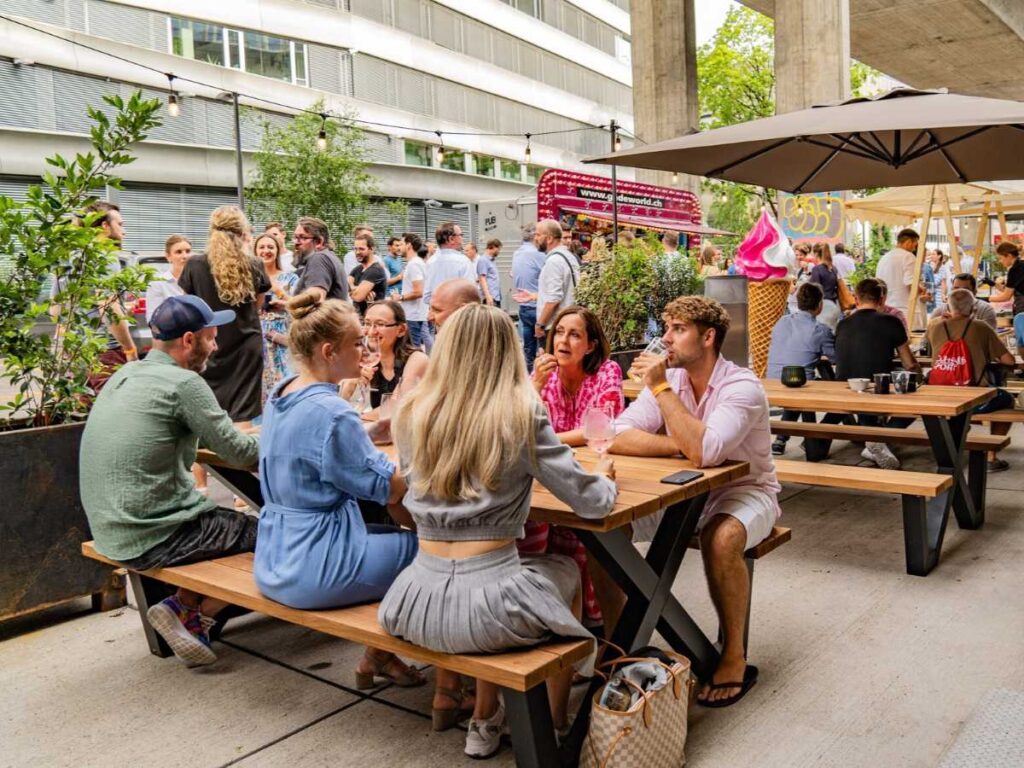
Summer parties at Westhive often take place in open event areas with an afterwork vibe and can be combined with terraces or outdoor spaces. With creative event equipment and experienced event support, highly individual formats i.e. a food market or a carnival style shooting gallery are possible.
7. Christmas Dinner & Year-End Event
Typical timing: November to December
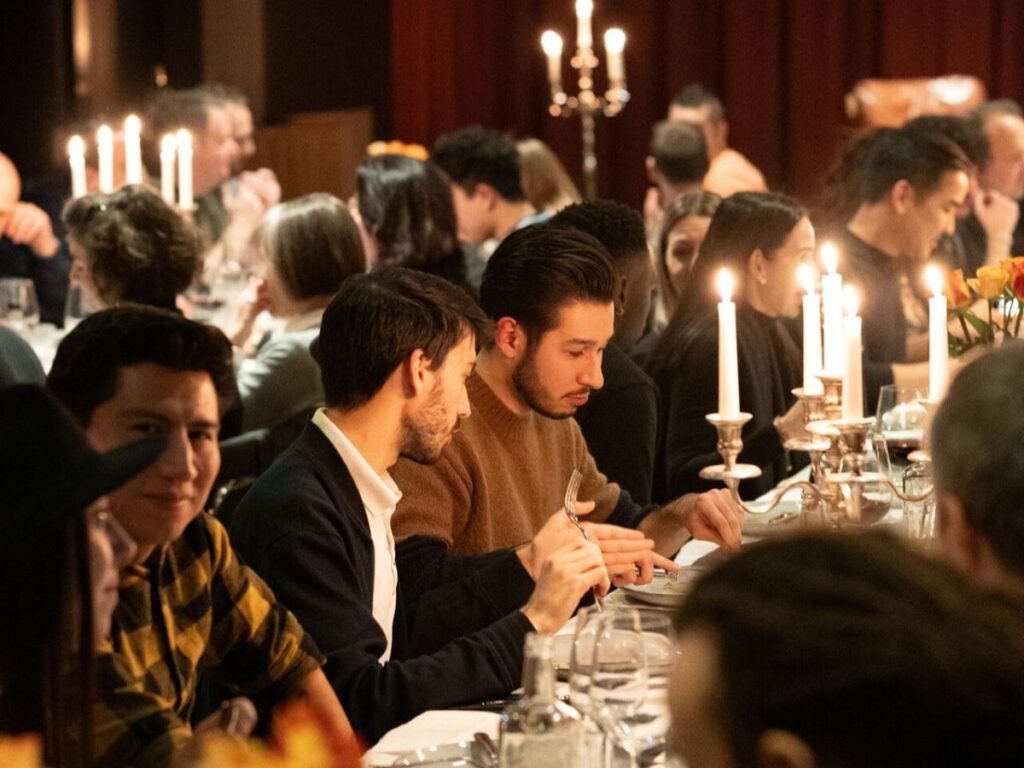
Christmas Dinners are among the most popular – and most competitive – dates in the event calendar.
What you need:
- Event or dining space
- High-quality catering
- Subtle technical setup for speeches
- Central location
Planning tips:
- Plan at least 4–6 months in advance
- December dates book up quickly
- Decide early on the event format
Companies appreciate the combination of event space and on-site gastronomy at Westhive, allowing for smooth and seamless year-end celebrations.
8. Kick-off Events & Town Halls
Typical timing: January, February or project-based
Kick-off events set direction and alignment for the year ahead or major initiatives.
What you need:
- Large meeting or event space
- Presentation technology
- Interactive formats
Planning tips:
- Plan 2–4 months in advance
- Define a clear agenda and structure
Kick-offs and town halls are frequently organised across multiple Westhive locations, enabling consistent setups for teams in different regions of Switzerland.
Frequently Asked Questions About Annual Event Planning
Which business events should companies plan each year?
Key events include AGMs, workshops, trainings, customer events, conferences, summer parties, Christmas dinners and kick-off events.
When should companies start annual event planning?
Ideally 6–12 months in advance, especially for large business events and high-demand dates.
How important is the event location?
A central location, flexible spaces and professional technology are critical success factors for business events.
Which Swiss cities are best suited for business events?
Zurich, Basel, Geneva and Zug are among the most important business hubs with excellent accessibility.
Conclusion: Annual Event Planning as a Strategic Tool
Structured annual event planning creates clarity, efficiency and higher quality outcomes. Companies that view business events as a connected annual journey – rather than isolated occasions – benefit from better budgeting, higher impact and smoother execution.
In Switzerland, flexible event, workshop and meeting spaces across multiple locations provide a clear advantage. Providers such as Westhive enable companies to host a wide range of business events professionally in Zurich, Basel, Geneva and Zug – without distracting from the core purpose of the event.